Ceasefire Agreement Overview
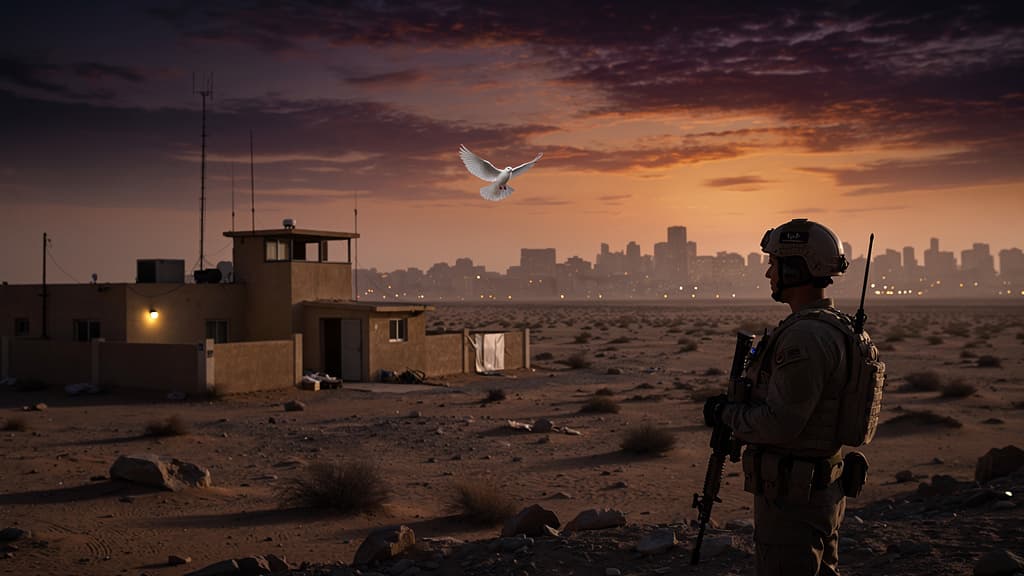
On Wednesday, a tentative ceasefire between the United States and Iran began, marking a significant moment in ongoing Middle Eastern tensions [1]. The agreement aims to pause hostilities temporarily, but all parties remain cautious regarding the ceasefire's longevity [3]. President Donald Trump confirmed that U.S. military forces would remain stationed near Iran until a comprehensive agreement can be secured [3].
Regional Developments in Lebanon
While a ceasefire commences with Iran, tensions persisted elsewhere in the region. In Lebanon, clashes intensify, undermining the broader regional peace process [1][3]. These flare-ups are linked to broader geopolitical contests in the region, with local actors involved in complex alignments.
Economic Ripple Effects on Global Supply Chains
The conflict and subsequent ceasefire have a tangible effect on global trade, notably impacting Vietnam's rice production, a key global commodity. Vietnam, the second-largest exporter of rice worldwide, has reduced its output due to increased energy costs associated with the conflict [2]. This decision highlights the far-reaching economic implications of regional disruptions, potentially affecting food prices globally [2].
International and Diplomatic Reactions
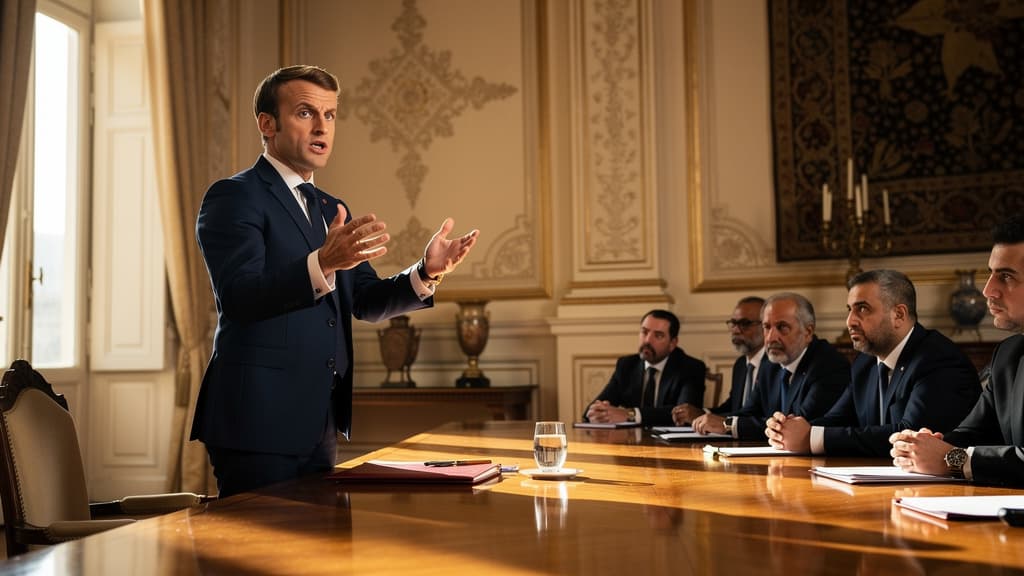
Internationally, the ceasefire is regarded cautiously by global powers, who recognize the difficulty of achieving a lasting peace agreement. Analysts suggest that negotiations will require significant diplomatic efforts and might be met with periodic setbacks [4]. The strategic calculus within the region remains complex, as stakeholders adjust to changing dynamics and continued military presence by global powers like the United States [4].
Secretive Diplomatic Maneuvers
In the days leading up to the ceasefire, reportedly secret directives from Iranian influential figures, such as Mojtaba Khamenei, played a crucial role in averting potential military escalations by the United States [5]. These diplomatic maneuvers underscore the multifaceted strategies employed by nations to regulate conflict trajectories.
Future Prospects
The path forward involves numerous diplomatic challenges as the ceasefire unfolds. Stakeholders anticipate a drawn-out process with opportunity for negotiated compromises [4]. Monitoring will continue closely as efforts persist to transition from a temporary ceasefire to a more sustainable peace framework.