Recent Developments in the Strait of Hormuz
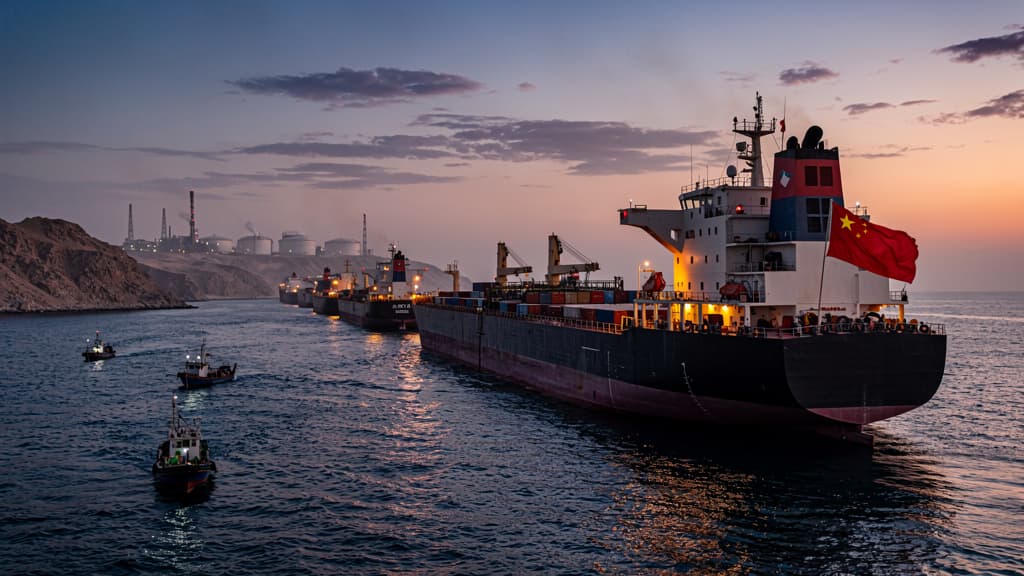
The Strait of Hormuz, a critical shipping lane for global oil transportation, is seeing renewed activity following a recent ceasefire between the United States and Iran. On April 8, 2026, a truce was established to de-escalate tensions, allowing some shipping activities to resume [2]. Two Chinese oil tankers, fully laden, have joined the queue of vessels testing the waters of this strategic passage [3].
The Iranian government has announced plans to impose tolls on tankers using the Strait, turning it into a potential economic checkpoint [1]. This decision introduces new dimensions to shipping logistics, as the Strait is a vital corridor for much of the world's oil supply.
Impact on Shipping and Insurance
Since the truce went into effect, maritime activities have been cautiously monitored. Several vessels have managed to transit the strait, but shipping companies, insurers, and traders remain vigilant [2]. Risks associated with navigating through the Strait of Hormuz have influenced shipping insurance and risk assessments, reflecting broader market apprehension.
China's decision to move its tankers through the strait represents a significant step, potentially signaling a gradual normalization of tanker movement. However, this comes amid continued scrutiny over Iran's toll plans and potential geopolitical repercussions.
Broader Economic Implications
The Strait of Hormuz accounts for a substantial portion of the global oil supply. Any disruptions or added costs due to tolls could have far-reaching economic effects, influencing global oil prices and trade dynamics.
Both U.S. and Iranian authorities have indicated a desire to maintain stability in the region, particularly in light of its economic importance. The ongoing assessment from insurers and shipowners will be crucial in determining the future logistics and costs associated with transiting this chokepoint [3].
Conclusion
The recent developments in the Strait of Hormuz exemplify the complex interplay between geopolitical affairs and global economic logistics. As the situation progresses, the responses from involved nations and the shipping sector will play critical roles in shaping the economic landscape in the coming months.