Election Results and Implications
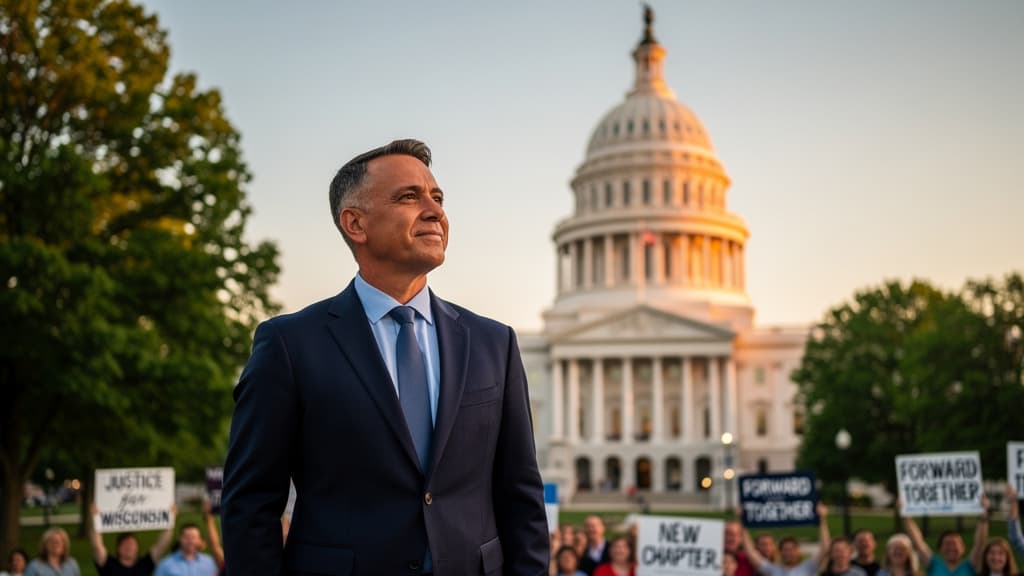
Chris Taylor has won a seat on the Wisconsin Supreme Court, expanding the liberal majority in a state where judicial contests often attract significant attention. Her victory shifts the court's composition further in favor of liberal judges, marking a notable change that could influence key legal decisions in Wisconsin. NBC News projected Taylor's win early on April 8, 2026, confirming the outcome of an election that had lower public engagement than past contests.
A Differently Contested Race
Unlike previous Wisconsin Supreme Court elections, which have been focal points for national political interests and active campaigns, this year's race appeared more muted. Polling data reflected a higher proportion of undecided voters and a generally lower awareness of the contest, potentially due to fewer high-profile issues dominating the election discourse this cycle [4]. Despite the subdued nature of the campaign, the election outcome is significant for the state's political dynamics, as the court holds sway over critical judicial rulings.
Liberal Gain in a Key State
The expansion of the liberal majority in the Wisconsin Supreme Court follows a broader trend observed in the state, where Democrats have been making gains in various local elections. The results of such elections, including a recent Democratic win in the traditionally Republican-leaning city of Waukesha, underscore shifting political dynamics in Wisconsin [2]. This Supreme Court election outcome aligns with these trends, potentially affecting future legislative and judicial decisions.
Broader Context and National Trends
Wisconsin's Supreme Court races typically draw national attention due to the state's status as a battleground, where judicial decisions can significantly impact broader national issues. However, this election season's quieter contest diverges from that pattern, possibly reflecting changing voter priorities or strategic considerations by political parties. The implications of this shift remain to be seen, but the current liberal majority in the court is positioned to influence upcoming legal challenges in the state [1][3].