Ceasefire Details and Announcements
On April 7, 2026, the United States and Iran entered a two-week conditional ceasefire agreement, temporarily lifting tensions that have escalated over the past weeks. The announcement, made by US President Donald Trump, included a provision to reopen the Strait of Hormuz for safe passage, a significant maritime route for global oil supplies. The ceasefire was mediated by a diplomatic intervention from Pakistan and agreed upon just hours before a potential military escalation was anticipated from the US [1][2][3].
Reaction in Tehran
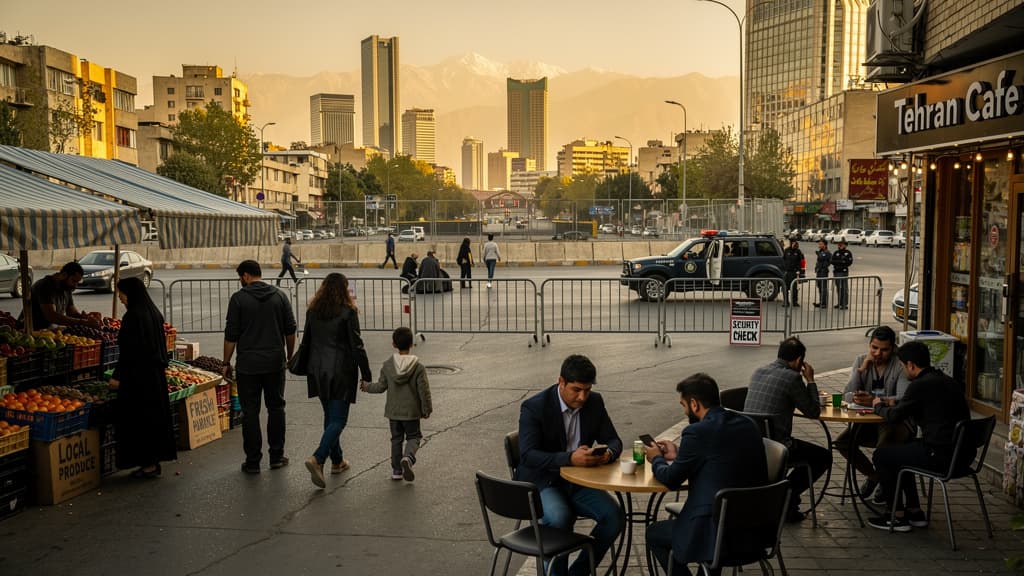
Following the announcement, demonstrators in Tehran, predominantly pro-government supporters, took to the streets. This gathering reflects a sentiment of triumph among many Iranians, as the government declared the ceasefire as a victory. The agreement, however, is temporary and contingent upon forthcoming diplomatic talks scheduled to take place in Pakistan, where further terms and potential long-term resolutions will be discussed [1][2].
International Responses and Implications
Various international actors, including Israel, have expressed conditional support for the ceasefire. Israel has stated its approval, emphasizing that the agreement does not extend to Lebanon, where tensions remain due to Iranian-influenced militias. There is hope among global leaders that the ceasefire could open the door to wider negotiations aimed at reducing long-standing hostilities between the US and Iran [4].
Background and Context
The relationship between the US and Iran has been fraught with tension, particularly since 2018, following the US withdrawal from the Iran nuclear deal. In recent weeks, escalations had reached new heights with threats of direct military action. This ceasefire comes after significant diplomatic pressure, both regionally and globally, with various stakeholders concerned about the potential for broader regional conflict [3][4].
Next Steps
Attention now turns to the upcoming negotiations in Pakistan, which hold the potential to either solidify this tentative peace or reignite past conflicts. Both US and Iranian officials have yet to outline a clear path forward, raising questions about the durability of this agreement. Observers note that while the reopening of the Strait of Hormuz is a positive signal for international trade, particularly oil exports, the sustainability of this ceasefire will depend heavily on diplomatic engagements in the coming weeks [2][3].