Proposed Regulatory Changes
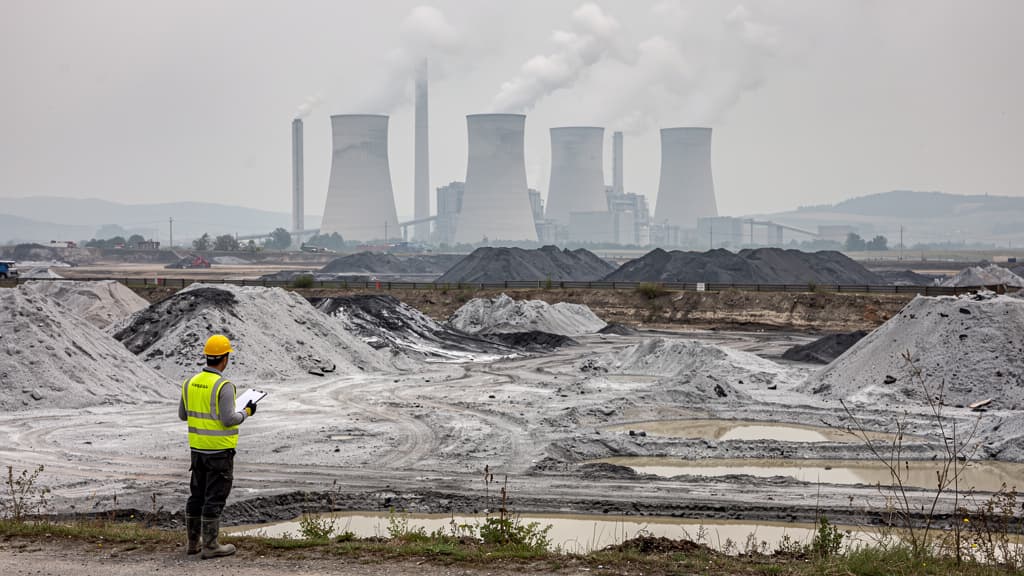
The Environmental Protection Agency (EPA) has proposed amendments to existing regulations on the disposal of coal ash, the primary waste product from coal-fired power plants. The proposal, introduced under the Trump administration, seeks to introduce more flexibility in the management of this toxic byproduct [1][2]. Coal ash contains hazardous substances, including heavy metals such as arsenic, lead, and mercury, which have the potential to contaminate groundwater if not managed correctly [1].
Current Regulations
Under current regulations, coal ash disposal facilities are required to follow stringent guidelines to prevent contamination of nearby water sources. These measures include lining waste ponds and regularly monitoring any potential leaks or shifts in the material [1]. Current rules were intended to mitigate the environmental risks associated with coal ash disposal, following the high-profile spill in Kingston, Tennessee, in 2008, which made it imperative to enforce stricter controls [2].
Details of the Proposed Flexibilities
The EPA's proposed modifications would alter the approach to coal ash storage, potentially allowing for tailored requirements based on specific site conditions rather than a uniform standard for all facilities. This measure is argued to potentially rationalize regulatory burdens and provide plant operators with greater autonomy to adapt storage solutions [2]. Key aspects of the proposal include adjusting monitoring timelines and revising criteria for appropriate storage facilities [2].
Divergent Reactions
Reactions to the proposed changes have been mixed. Proponents, such as some industry stakeholders, argue that the new flexibilities will allow energy plants to operate with more efficiency and align resource management with site-specific needs. They assert that the adjustments could reduce overall operational costs without necessarily compromising safety [2].
Conversely, environmental organizations and concerned residents have raised concerns about the potential impact on groundwater safety. Critics suggest that loosening these regulations might lead to a rise in contamination risks, posing a threat to communities who rely on groundwater for drinking water. These groups argue that the existing regulations are critical for protecting public health and the environment [1].
Next Steps
The proposal will be subject to a public comment period, during which stakeholders from both sides can express their views and provide input. The EPA will consider this feedback before making any final decisions regarding the implementation of the proposed changes [2]. This public engagement process is expected to inform the agency's decision-making and ensure that a range of perspectives is considered.
The public comment period is a standard procedure that helps ensure regulatory adjustments appropriately balance both industrial and environmental interests. The outcomes of this process will contribute significantly to the future regulatory landscape for coal ash disposal across the United States [1].