Ceasefire Overview
The U.S.-Iran ceasefire, brokered by President Donald Trump, remains in a precarious state following military actions in the Middle East. The ceasefire was intended to de-escalate tensions, but ongoing conflicts reveal unresolved underlying issues between the involved nations.
Recent Developments
On Wednesday, Israel conducted airstrikes in Lebanon, resulting in over 250 reported casualties, according to Lebanon's Ministry of Health [1]. These strikes are argued by some as a breach of the U.S.-Iran ceasefire terms, while Israeli Prime Minister Benjamin Netanyahu contends that Hezbollah was not accounted for in the ceasefire agreement [1][2].
Diplomatic Challenges
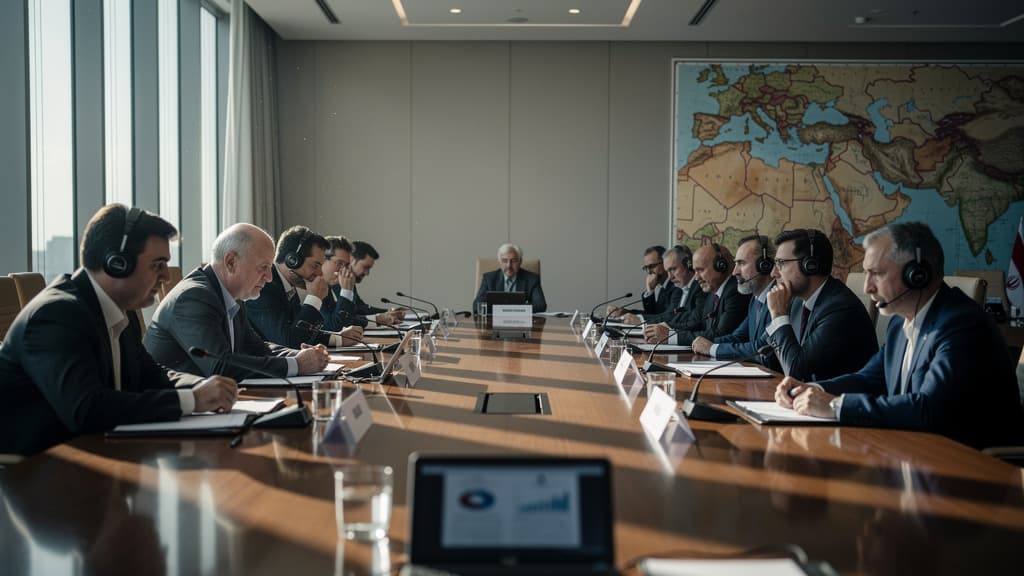
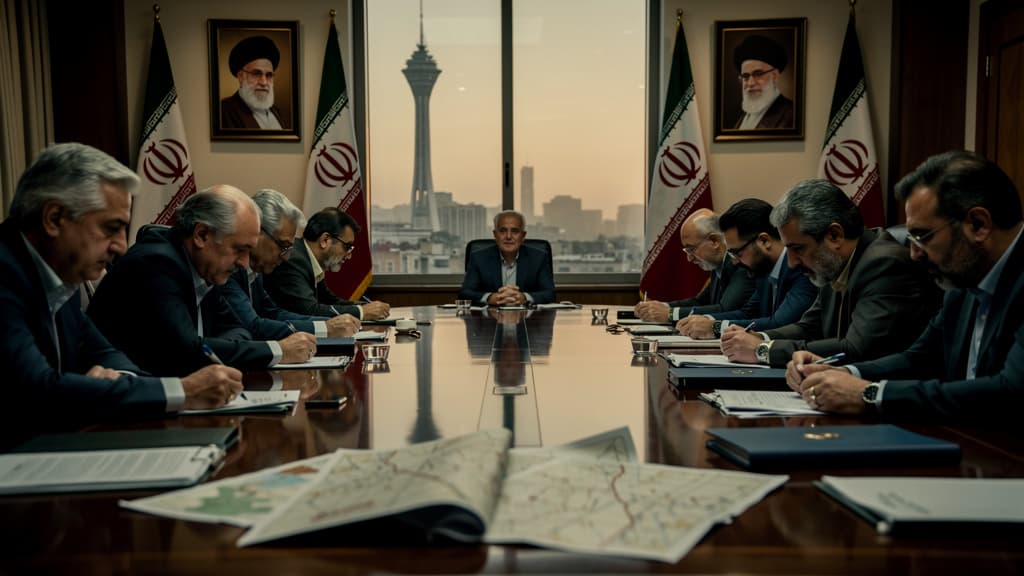
The ceasefire was established with the aim of reducing hostilities following a series of diplomatic efforts. Despite these attempts, the foundational disputes have not been fully addressed, and there are signs of strain in maintaining the agreement [3][4].
Economic Impact
Global economic indicators such as oil prices have shown volatility in response to uncertainties regarding the ceasefire. Oil prices edged closer to $100 per barrel, while stock markets indicated restrained performance due to skepticism about the sustainability of the ceasefire [5]. Experts warn that Middle Eastern energy infrastructure recovery may be prolonged, impacting supply chains and pricing [6].
Perspectives and Projections
The varied reactions from international stakeholders highlight the complexity of achieving a lasting resolution. Both economic and political arenas are closely monitoring developments to assess long-term implications on the geopolitical landscape and global markets.
As these events unfold, the future of the ceasefire will depend on diplomatic maneuvers and regional stability efforts, with significant attention from global observers.