Reports of Casualties and Damage
On April 8, Israeli airstrikes on Lebanon resulted in significant casualties, with reports indicating at least 182 deaths [1]. Lebanese emergency responders reported higher numbers, suggesting 254 fatalities and 1,165 injuries across affected regions, notably the southern suburbs of Beirut, southern Lebanon, and the Bekaa Valley [2]. These figures underscore the significant humanitarian impact of the strikes.
Context of Ongoing Regional Tensions
The Israeli airstrikes occurred just hours after a ceasefire between the United States and Iran was declared, marking a temporary pause in over a month of hostilities [5]. However, Israeli officials stated that their military actions were not constrained by this ceasefire, citing ongoing operations against Iranian-backed Hezbollah within Lebanon [7].
International Reactions and Political Dynamics
The international community expressed concern over the situation in Lebanon, with the United Nations condemning the airstrikes for their impact on civilian populations and infrastructure [4]. Despite initial optimism from Lebanese Prime Minister Nawaf Salam following the U.S.-Iran truce, the continuation of Israeli strikes challenges the stability of the ceasefire [3].
Strategic Implications of the Ceasefire
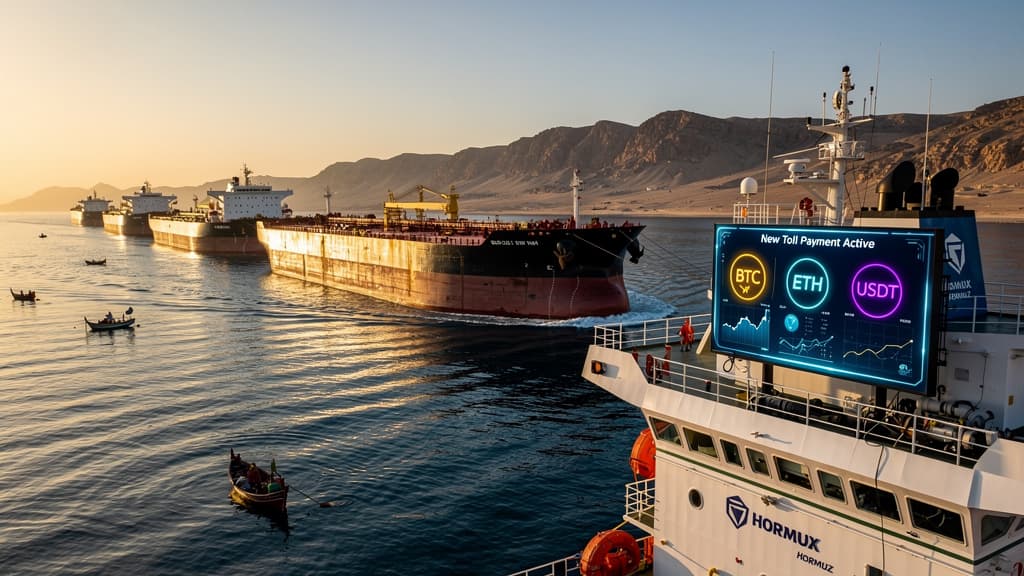
The recently brokered ceasefire between the U.S. and Iran aims to de-escalate tensions in the region, particularly concerning the Strait of Hormuz, a crucial chokepoint for global oil shipments [6]. Although the truce does not explicitly cover Israeli actions in Lebanon, it represents a pivotal moment in the broader strategic landscape of the Middle East.
Conclusion
The airstrikes in Lebanon serve as a reminder of the complex and volatile security dynamics in the region. With varying reports on casualty figures, the full extent of the impact remains to be fully assessed, highlighting the urgent need for diplomatic efforts to address regional conflicts.