Overview of Recent Events
Israeli military operations across Lebanon have led to a reported 182 deaths as airstrikes hit several key regions including the southern suburbs of Beirut, southern Lebanon, and the eastern Bekaa Valley. According to multiple sources, these strikes occurred subsequent to the announcement of a ceasefire between the United States and Iran, effective for two weeks as hostilities had previously persisted for nearly 40 days [1][2][5].
Complex Ceasefire Dynamics
The ceasefire was brokered to alleviate tensions impacting civilian populations and major infrastructures in the region. However, ambiguities persist regarding the ceasefire's scope, particularly relating to Israeli military actions in Lebanon. Israel does not consider the ceasefire applicable to its conflict with Hezbollah, which is supported by Iran, further complicating regional stability [6][7].
Damage and Casualties
Data from Lebanon’s Civil Defence indicates higher figures, suggesting 254 fatalities and 1,165 injuries, revealing the severe impact of the recent wave of strikes. The United Nations has condemned the scale of airstrikes and called for a halt to such actions to prevent further loss of life and destruction [3][4].
International Reactions
Responses from the international community have been widespread. The UN's condemnation underscores a call for peace and protection of civilians amidst ongoing unrest in the Middle East. Analysts are closely observing the situation to gauge the sustainability of the US-Iran ceasefire in light of continued military engagements in the region [3][4][5].
Regional Context
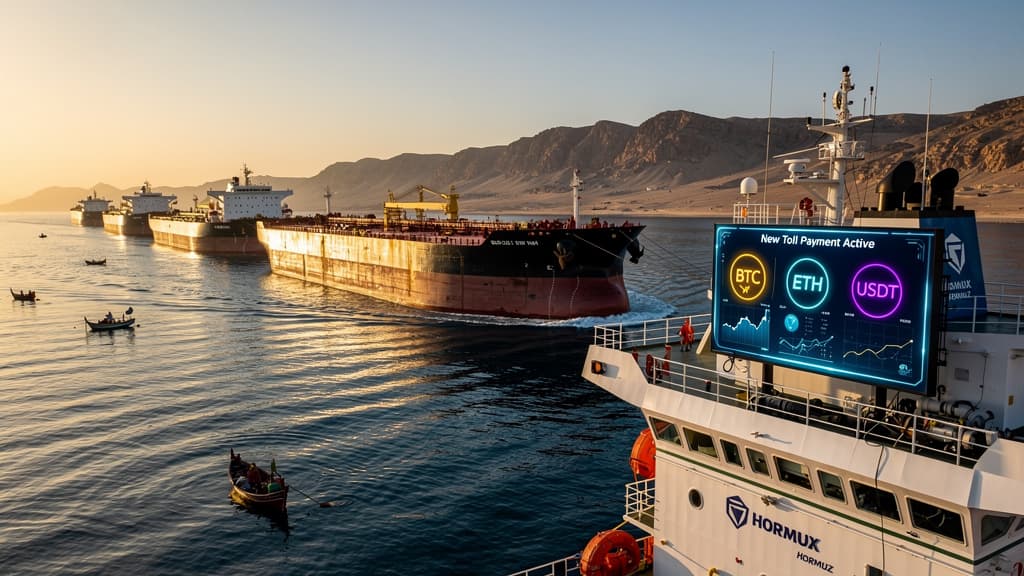
The situation in Lebanon is a fragment of the broader tensions involving key regional players, with complex affiliations contributing to ongoing conflicts. The Strait of Hormuz remains a critical point of concern, with unclear status despite the declared ceasefire, adding to geopolitical uncertainties in the Middle East [6].