North Korean Tests Highlight Military Advancements
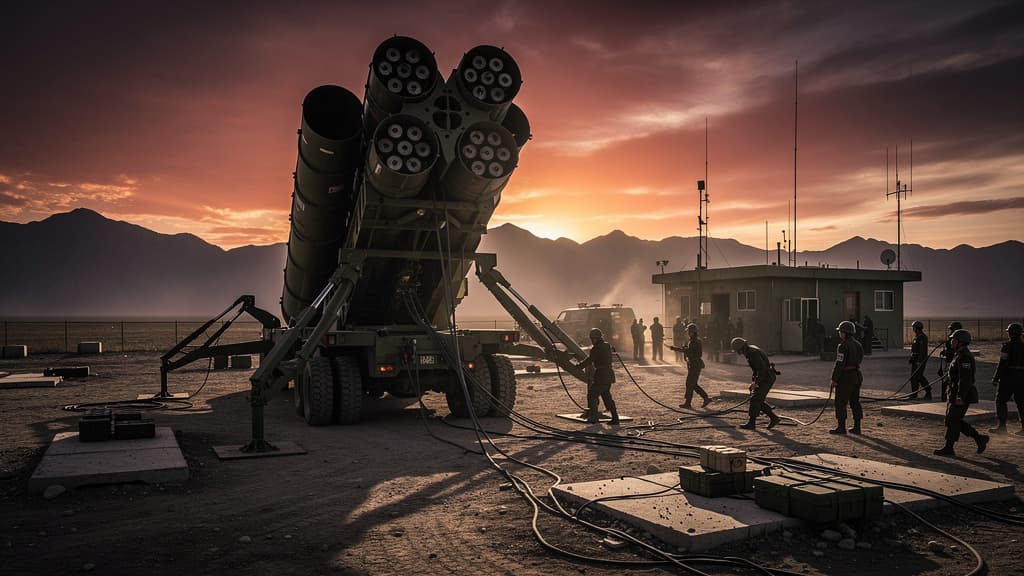
North Korea declared that its latest series of weapons tests included the deployment of ballistic missiles armed with cluster-bomb warheads. This was reported on April 9, 2026, as part of the country's ongoing military modernization efforts. The tests aim to bolster the nation's nuclear-capable arsenal, though details regarding the specific capabilities or the number of missiles tested have not been disclosed publicly[1].
Cluster munitions are a controversial type of weapon due to their potential to disperse numerous smaller submunitions over wide areas, which can cause significant harm to civilian populations if used in populated regions. However, North Korea maintains that these advancements are necessary for defense and deterrence purposes[1].
Implications and International Reactions
The announcement of the tests arrives amidst a complex geopolitical backdrop, specifically rising tensions involving the United States and Iran. NATO Secretary-General Mark Rutte commented that this ongoing U.S.-Iran conflict could precipitate what he termed a "North Korea moment," suggesting that such developments pose a broad risk to international stability[2]. Rutte emphasized during an interview that NATO allies remain committed to managing these threats collectively[2].
The international community's response to North Korea's announcement has yet to unfold fully, but the revelation adds another layer to the security challenges facing the region. Historically, North Korea’s weapons tests have led to calls for diplomatic negotiations and discussions about imposed sanctions[1][2].
Strategic and Security Context
North Korea's recent actions fit into a broader pattern of military demonstrations that underscore its strategic objectives of fortifying its national defense capacity and securing leverage in international diplomacy. The use of cluster-bomb warheads, specifically, indicates an effort to diversify the types of ammunition available to North Korea's military forces, potentially offering enhanced tactical options in any potential conflict scenario[1].
Military analysts will likely continue to scrutinize these developments for indications of North Korea's future strategic intentions. As always, the continued testing and development of such military capabilities will draw attention from regional powers and global security organizations, potentially influencing policy and military strategy in East Asia and beyond[1].