Background of the Conflict
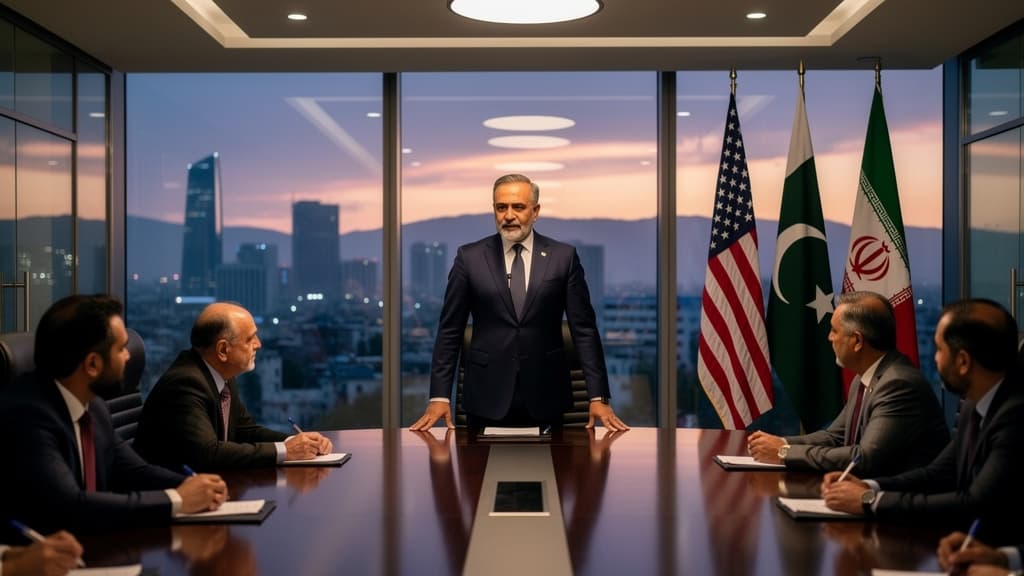
Tensions between the United States and Iran have been a longstanding issue, periodically escalating into conflicts that impact regional stability. In recent developments, Pakistan has taken a central role in mediating discussions aimed at achieving ceasefire agreements between these two nations.
Pakistan's Diplomatic Engagement
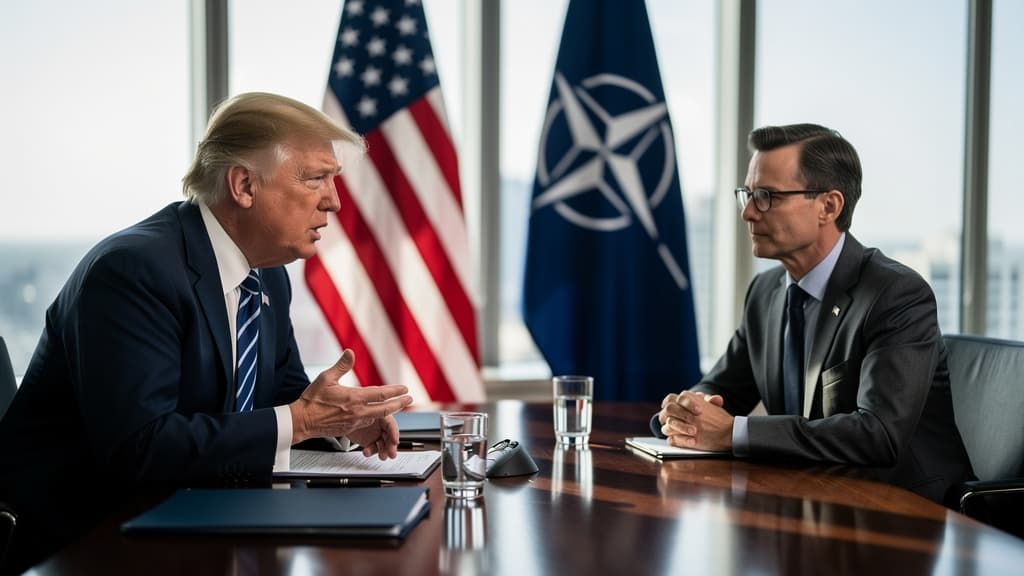
Pakistan's involvement in mediating between the U.S. and Iran stems from its longstanding diplomatic and economic ties with both nations. Pakistani officials have actively engaged with the Trump Administration, utilizing their established relationship with Iran to foster communication between the conflicting parties. The efforts were marked by intensive back-and-forth negotiations and diplomatic summits aimed at de-escalating the potential for further conflict [1].
The Ceasefire Agreement
The ceasefire, brokered with Pakistan's intervention, reflects a complex negotiation process. According to ongoing reports, the discussions that led to the ceasefire were characterized by secretive and sensitive negotiations that balanced the differing narratives of all involved parties. This diplomatic achievement is considered significant by some analysts, who note it as one of Pakistan's most crucial diplomatic victories in recent years [2][3].
Diverse Reactions to Pakistan's Role
While the mediation has been hailed by some as a preventative measure against further catastrophe, not all international players view Pakistan's role as unambiguously positive. The Israeli government has expressed skepticism about Pakistan's credibility as a mediator. An official statement from Israel's envoy suggests that the U.S. may have additional motivations for engaging Pakistan in this capacity other than its perceived neutrality [4].
Future Implications
The successful mediation underscores Pakistan's potential role as a strategic partner in international diplomacy. However, the differing perspectives on its involvement highlight ongoing regional complexities and the challenges of sustaining long-term peace. As the situation continues to evolve, stakeholders await further developments to assess the lasting impact of Pakistan's diplomatic efforts.