Attack Documentation
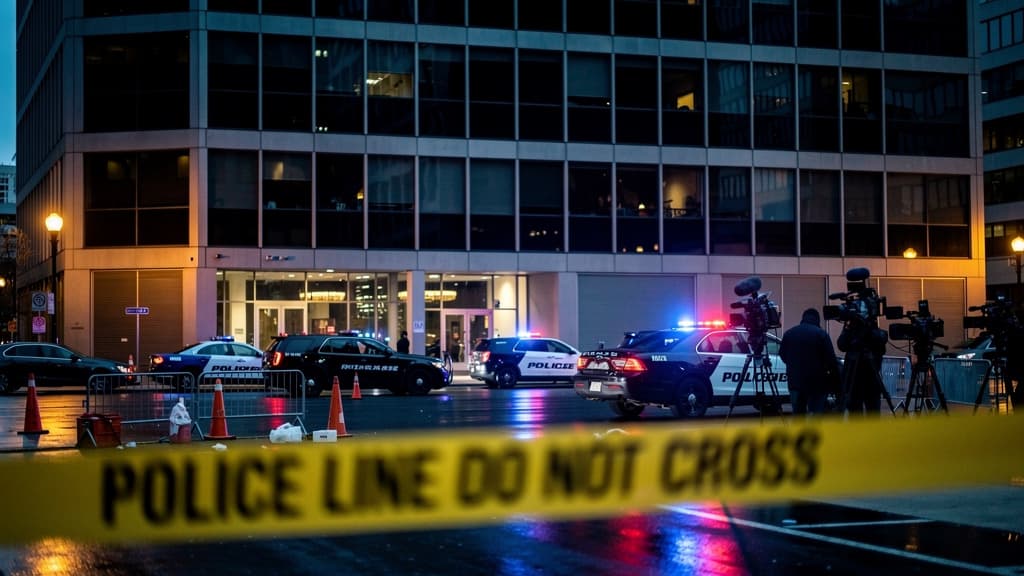
A 13-year-old girl in Beirut recorded the initial airstrikes via Snapchat as the Israeli military launched attacks on Lebanon’s capital city. The footage coincides with a significant military event, where local reports have confirmed that at least 182 individuals were killed and 890 were injured [1][2].
Context of the Strikes
The timing of the aerial attack follows a recent ceasefire agreement between the United States and Iran, though conflicting interpretations have arisen regarding its geographic applicability. Israeli and U.S. officials assert that Lebanon is not included within the truce parameters, while Iranian representatives maintain that it should be [2][3].
Impact on Beirut
Witness testimony indicates substantial destruction primarily focused on Beirut's central and otherwise densely populated regions, culminating in a situation of chaos. According to Lebanon’s Health Ministry, these attacks have culminated in the highest death toll recorded in a single day since the onset of ongoing hostilities between Israel and Hezbollah forces [3][4].
Reactions and Developments
Amidst ongoing strikes, local hospitals have been reportedly overwhelmed with casualties, including numerous displaced individuals, predominantly women and children. Rania Abouzeid, an independent journalist in the region, detailed the extensive breadth of the attacks, describing them as notably severe compared to prior conflicts [4]. Traffic congestions have been reported as many attempt to evacuate urban centers, despite uncertainties about where safety might be found [5].
Ongoing Discussions
The regional tensions underscore existing complexities within Middle Eastern geopolitics. Reactions to the attack continue to unfold internationally as diplomatic discussions address how ceasefire terms are interpreted and enforced in conflict zones [2][3].