Iran Closes the Strait of Hormuz
On April 8, 2026, Iranian state media reported the closure of the Strait of Hormuz, a critical maritime chokepoint for global oil shipments, in response to Israeli military attacks in Lebanon. The Strait's closure came shortly after the United States and Iran had entered into a two-week ceasefire agreement, which was brokered with the aim of de-escalating tensions over ongoing conflicts in the region. Iran has proposed that they be allowed to collect tolls in the Strait as a precondition for reopening the passage [1][4][7].
Israeli Strikes in Lebanon
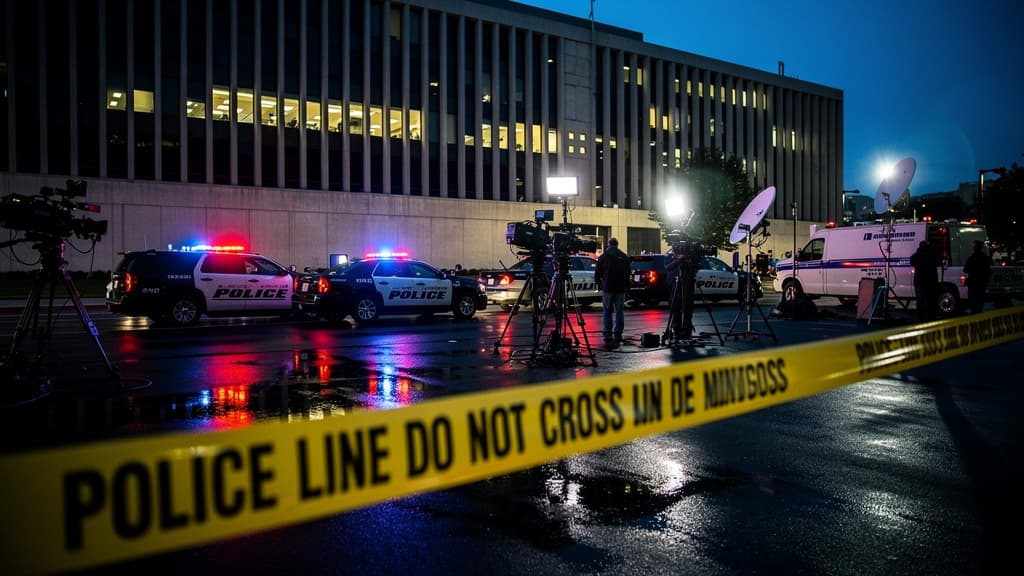
Concurrently, the Israeli Defense Forces launched extensive airstrikes in Lebanon, targeting areas described as strongholds of Hezbollah, a group supported by Iran. These attacks have resulted in significant casualties and heightened tensions between Israel and Lebanon. Israel stated that the ceasefire with Iran does not apply to Lebanon, justifying the strikes as a necessary measure against perceived threats. The military operations involved several locations in Beirut, leading to widespread panic and disruption [2][6].
U.S. and Global Reactions
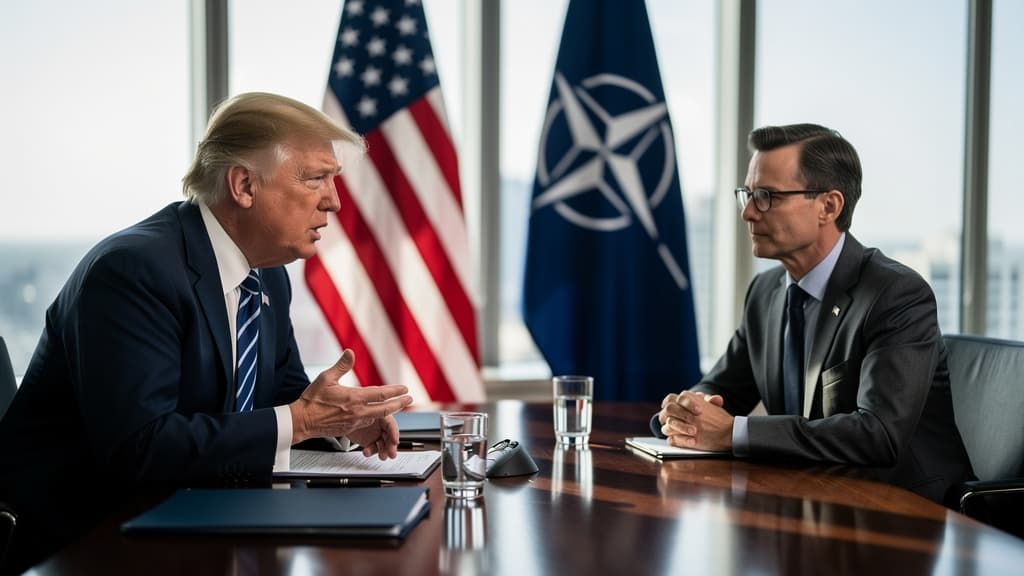
The White House, through press secretary Karoline Leavitt, clarified that Lebanon was not included in the ceasefire terms agreed with Iran, thereby framing the Israeli actions within the context of separate bilateral tensions [1]. Internationally, concerns have grown over the implications of the Strait of Hormuz closure, a vital conduit for the world's oil supply. Analysts noted that any prolonged closure could severely impact global oil markets and trade routes [4][7].
Potential Outcomes and Challenges
The current situation underscores precarious geopolitical dynamics where multiple conflicts overlap, challenging peace efforts in the Middle East. The Trump administration's immediate objective is to mitigate further disruptions in regional stability, balancing support for Israel with efforts to maintain the ceasefire with Iran [3][4]. The ongoing closure of the Strait, coupled with military activities in Lebanon, represents significant barriers to achieving lasting peace [5].