Focus on Strategic Actions in the Islamic Economy
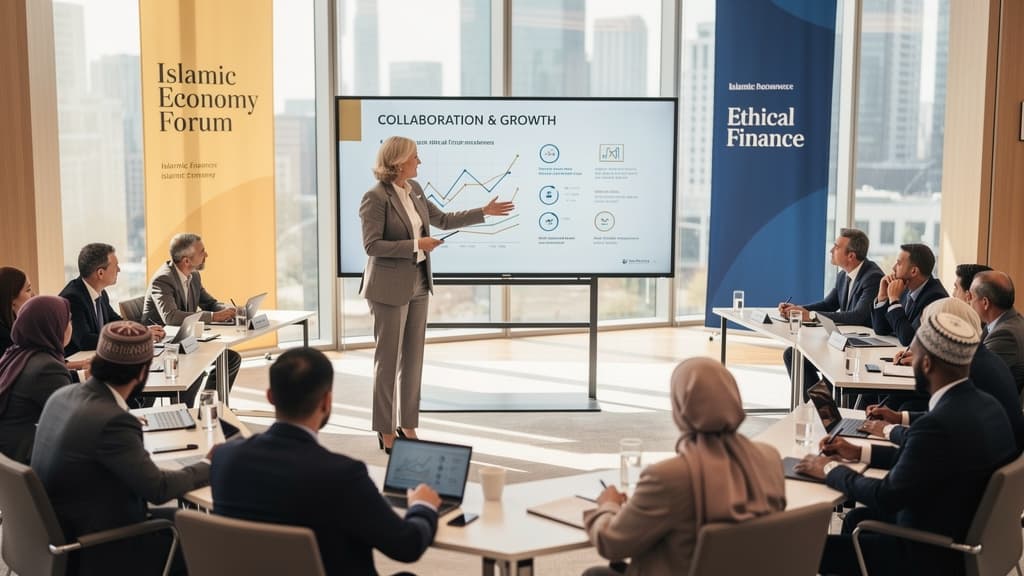
The advancement of the Islamic economy in Indonesia is gaining attention with calls for concrete strategic collaborations to transform potential into tangible growth. This initiative has moved beyond just discussions and documentation, as emphasized by industry leaders and policymakers. A recent analysis highlighted the necessity of transitioning from rhetoric to action by implementing strategic measures that can cultivate real economic progress.
Sandiaga Uno's Vision for Growth
Sandiaga Uno, a notable figure in Indonesia's economic policy landscape, advocates for strategic collaborations as essential components of advancing the Islamic economy [1]. At a recent event, Uno discussed the importance of partnerships across sectors to enhance and support the expansion of the Islamic financial system. His perspective aligns with calls for more active involvement and innovation that move the sector beyond its current framework.
The Need for Overcoming Challenges
Current discourse stresses overcoming challenges that hinder the full potential of the Islamic economy. These include limited access to capital and infrastructure issues that affect both small-scale enterprises and larger market players [2]. Analysts argue for a more comprehensive approach that addresses structural barriers while providing necessary support through policy reforms and enhanced financial accessibility.
Path Forward with Multi-Sectoral Involvement
The pathway to a robust Islamic economy appears to require coordination across various sectors including government, private enterprises, and religious organizations. Policymakers are urged to facilitate environments conducive to entrepreneurship and innovation, crucial for the development and application of Shariah-compliant financial instruments. This strategic integration is suggested to provide a foundation for sustained economic growth within this market.
Conclusion
With these perspectives, stakeholders in Indonesia are being called to actively transition the Islamic economic framework from planning to execution. Achieving substantive growth will likely depend on the sector's ability to innovate and adapt through cross-sector partnerships that address existing limitations.
Sources
- "Sandiaga Uno: Kolaborasi Strategis Akan Mendorong Pertumbuhan Ekonomi Syariah." Tribunnews, April 9, 2026. Link
- "Ekonomi Syariah tak Boleh Berhenti di Pidato dan Dokumen." Analisis Republika, April 10, 2026. Link