U.S. Criticism of Strait of Hormuz Management
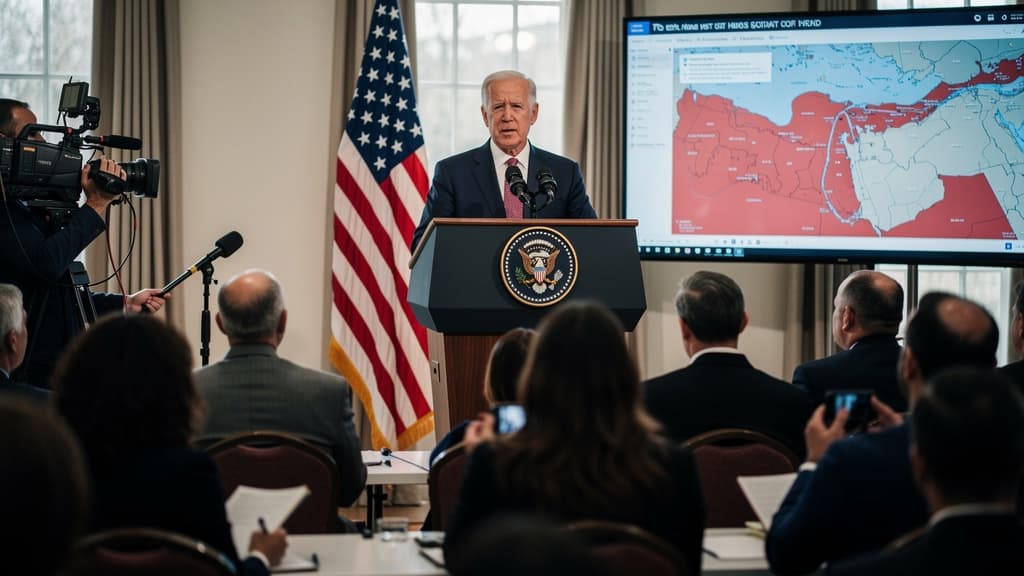
President Donald Trump has expressed dissatisfaction with Iran's handling of the reopening of the Strait of Hormuz. He stated that Iran is "doing a very poor job" in managing the crucial maritime passage, which is a vital conduit for global oil transportation.[1]
Conflict and Ceasefire Dynamics
The Strait of Hormuz, a narrow waterway linking the Gulf and the Arabian Sea, has been a focal point of international attention due to recent regional conflicts. A fragile ceasefire has been tested following a series of events, including military exchanges between Israel and Hezbollah in Lebanon and a drone attack on Kuwait.[1]
Tensions Over Toll Plans
An aspect adding to the tension is the report that Iran plans to impose tolls on oil tankers passing through the strait. President Trump has reacted strongly, stating that "they better not be" charging fees and emphasizing the potential ramifications of such actions on international shipping.[2] This follows his proposal of a "joint venture" to implement similar tolls, which highlights the complexities of strategic control over this vital maritime area.[2]
Strategic Importance of the Strait
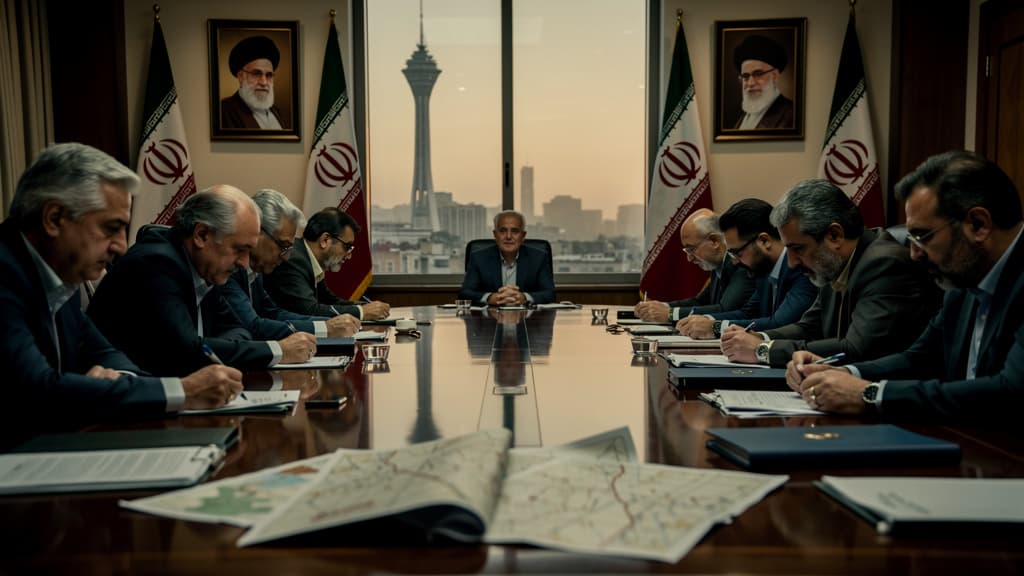
The Strait of Hormuz is one of the world’s most critical chokepoints for oil transport, with a substantial percentage of the world's petroleum passing through. The ability to control and manage access to the strait significantly impacts global oil prices and economic stability. Consequently, actions taken by Iran in this region see immediate scrutiny and response from global powers, including the United States.[1][2]
While Iran has not publicly clarified its intentions regarding the tolls, the geopolitical implications of controlling access to the strait remain significant due to the economic dependencies of various nations on the uninterrupted flow of oil through this corridor.[1][2]