Hegseth's Demand for Uranium Turnover
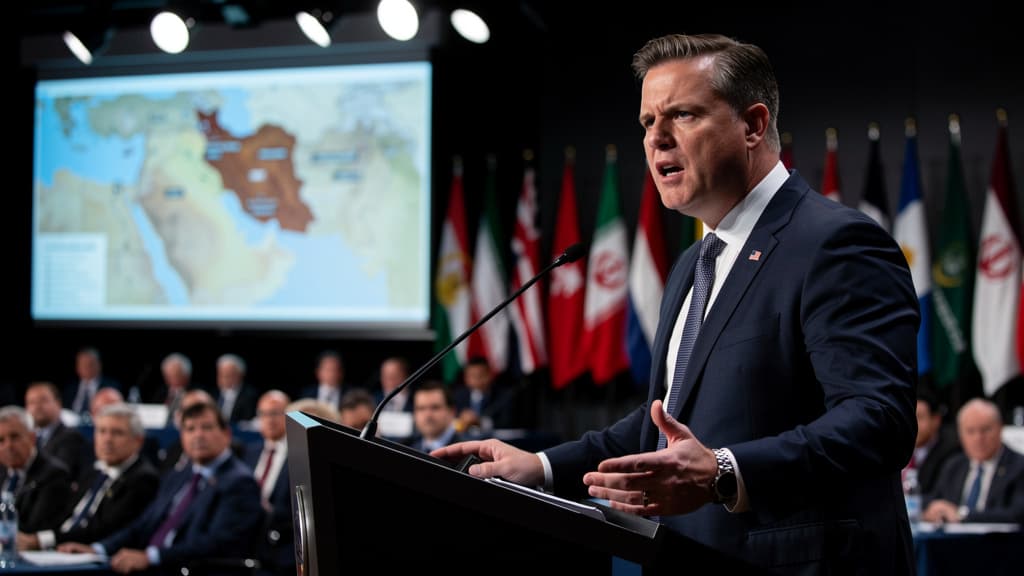
U.S. Secretary of Defense Pete Hegseth has urged Iran to relinquish its uranium stockpiles as part of ongoing diplomatic tensions between the United States and Iran. The stockpiles in question include about 970 pounds of enriched uranium located in Isfahan. Hegseth communicated that continued diplomacy is the preferred avenue, but President Trump retains the option of ordering a commando operation to secure these nuclear materials should Iran not comply with the demands [1].
Context of the Recent Conflict
The demand comes in the wake of a pause in hostilities between the United States and Iran, which the Defense Secretary characterized as mostly in the past tense. However, Gen. Richard Caine, the Chairman of the Joint Chiefs of Staff, emphasized that the current ceasefire represents a temporary pause in military operations rather than a definitive end to the conflict [2].
Press Conference Incident
Hegseth's statement followed a contentious press conference where he engaged in a verbal exchange with an NBC reporter over questions about Iran’s missile capabilities. The exchange highlighted the sensitive nature of the ongoing discussions and decisions regarding Iran [3].
U.S. Strategy and Diplomatic Maneuvers
During the press briefings, Hegseth also referred to President Trump as a 'president of peace' and highlighted the strategic elements of ongoing negotiations. These remarks were seen as revealing insights into the administration's diplomatic strategy and its broader geopolitical calculations concerning the conflict with Iran [4].