Recent Developments in the Middle East
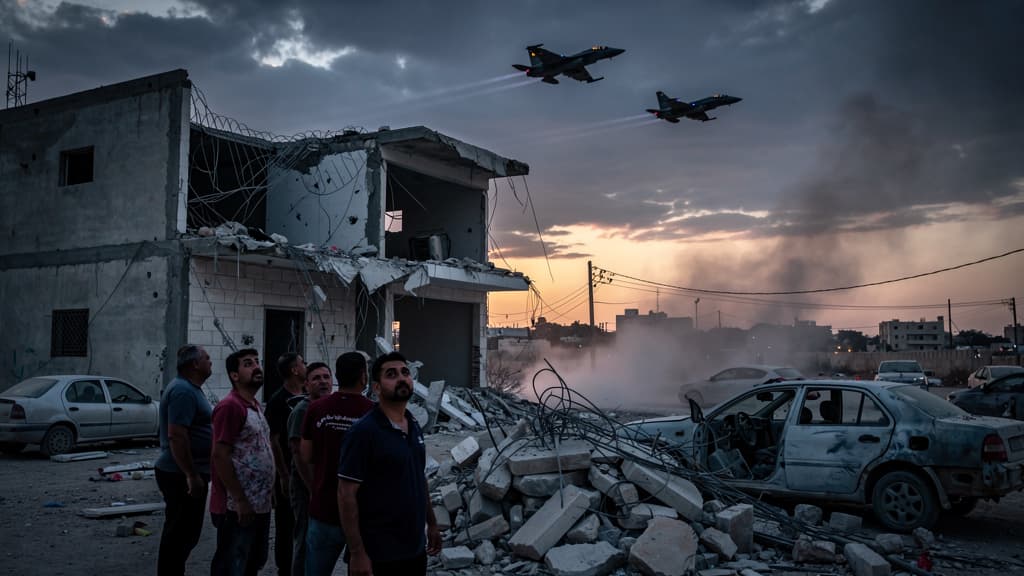
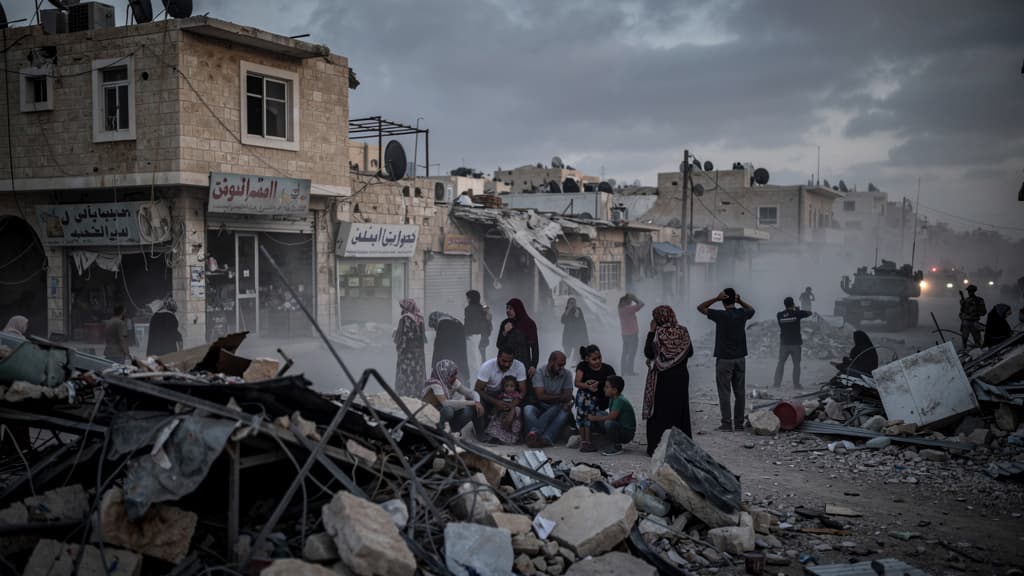
On Wednesday, Israeli military operations in Lebanon resulted in significant casualties and infrastructure damage, with at least 250 fatalities reported by Lebanese authorities [1]. The operations targeted alleged Hezbollah positions, which Israeli Prime Minister Benjamin Netanyahu stated are not covered by the recent ceasefire agreement between the United States and Iran [2]. The U.S.-Iran ceasefire, announced by President Trump, is specifically aimed at reducing direct hostilities between the U.S. and Iran [4].
Ceasefire Details and Diplomatic Reactions
The ceasefire agreement, described as conditional and fragile, was established to halt escalating tensions between the U.S. and Iran [5]. However, fundamental issues that initially led to the conflict remain unresolved, casting uncertainty on the ceasefire's durability [4]. Despite this, the agreement does not explicitly include Israeli operations in Lebanon, leading to differing interpretations. Iran has criticized the recent strikes as a breach of the ceasefire, creating additional pressure on the agreement [1].
Regional and Energy Implications
The ongoing conflict and damage to infrastructure, particularly in Beirut, have broader implications for regional stability. Experts warn that the disruption to Middle East energy infrastructure could take months to recover, affecting global energy prices [6]. Jason Bordoff, director of the Center on Global Energy Policy, highlighted concerns about the prolonged recovery period, suggesting that immediate price stabilization in the energy sector is unlikely [6].
International Responses and Future Prospects
The escalating situation in Lebanon has attracted attention from international stakeholders who fear that the precarious U.S.-Iran ceasefire could collapse if regional hostilities continue unabated [3]. Diplomatic channels remain active as efforts to clarify the agreement's terms and ensure compliance continue. The impact on Middle East geopolitics and global economic conditions remains an area of concern as stakeholders assess the situation's potential long-term implications.