Recent Developments in the Middle East
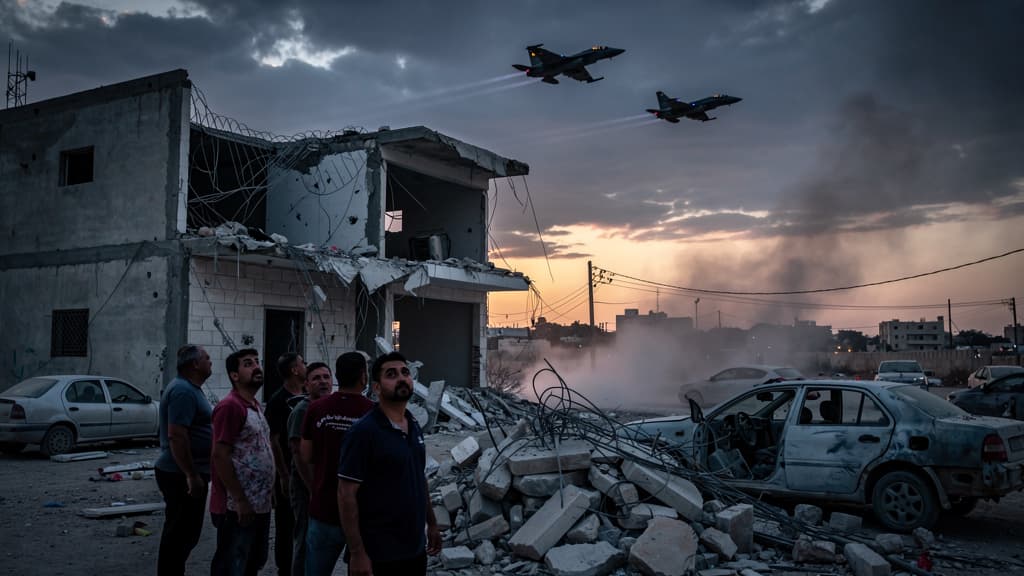
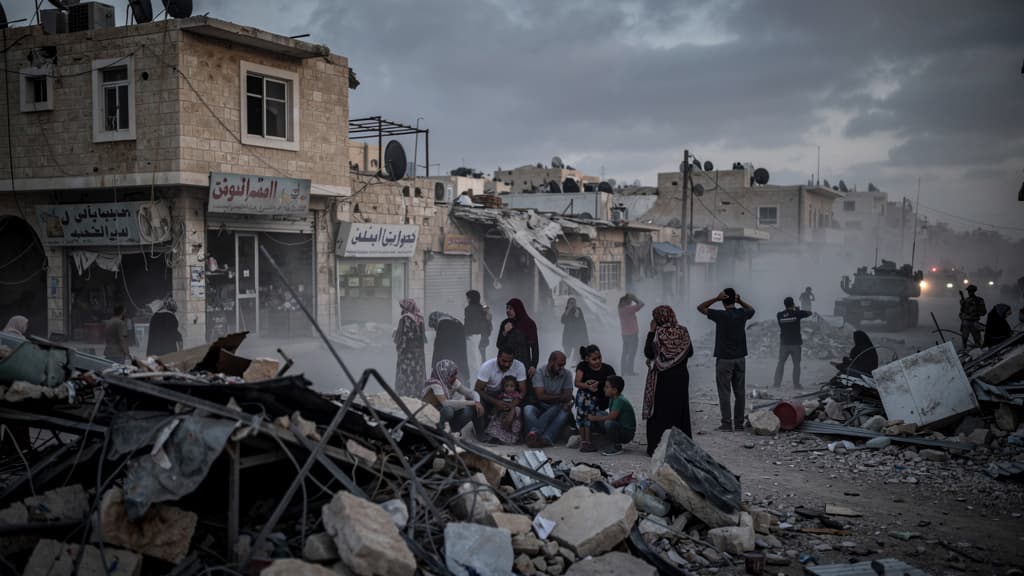
In recent events, Israeli forces launched attacks on Lebanon, resulting in approximately 250 casualties as reported by Lebanon's Ministry of Health [1]. The attacks, confirmed by multiple sources, have raised tensions and threaten the ceasefire agreement between the United States and Iran [2][3]. The ceasefire, conditional in nature, was established under the administration of President Donald Trump and is currently facing challenges due to these new developments [4].
Background of the Ceasefire
The ceasefire was part of diplomatic efforts led by the United States to ease ongoing tensions in the Middle East. President Trump announced the agreement, which included provisions intended to reduce hostilities and resolve underlying disputes between the involved nations [5]. However, complexities remain, as the agreement did not explicitly include implications or actions involving regional actors like Hezbollah, which Israel cites as a basis for the recent strikes [1].
Repercussions and Concerns
The Israeli military actions have intensified the geopolitical landscape, impacting not only the countries directly involved but also affecting energy infrastructure and global markets. According to energy policy experts, the recovery of Middle Eastern energy infrastructure could take several months, potentially disrupting global energy supplies and affecting market prices [6].
Diplomatic Reactions
In response to these developments, Iran has accused Israel of violating the ceasefire, emphasizing the volatile nature of the agreement. Meanwhile, Israeli Prime Minister Benjamin Netanyahu has defended the strikes, identifying them as actions taken against Hezbollah rather than an explicit violation of the ceasefire with Iran [1]. These events continue to underline the fragility of peace efforts in the region.
International Implications
Observers from various international and policy analysis groups are closely monitoring the situation as it unfolds. The potential repercussions of this conflict may reach beyond the immediate geography, influencing international diplomatic relations, energy markets, and regional stability.