Background on the Conflict
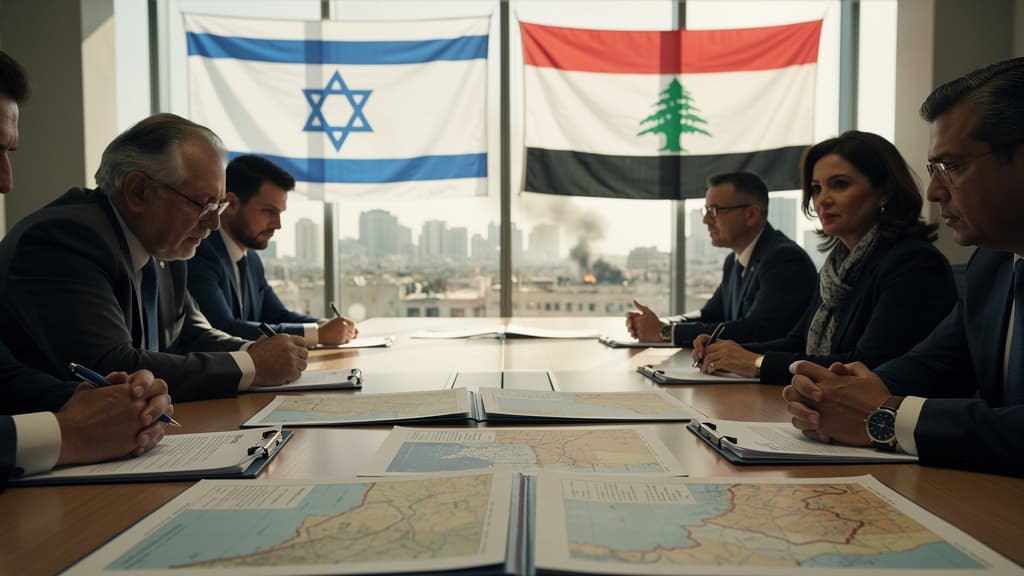
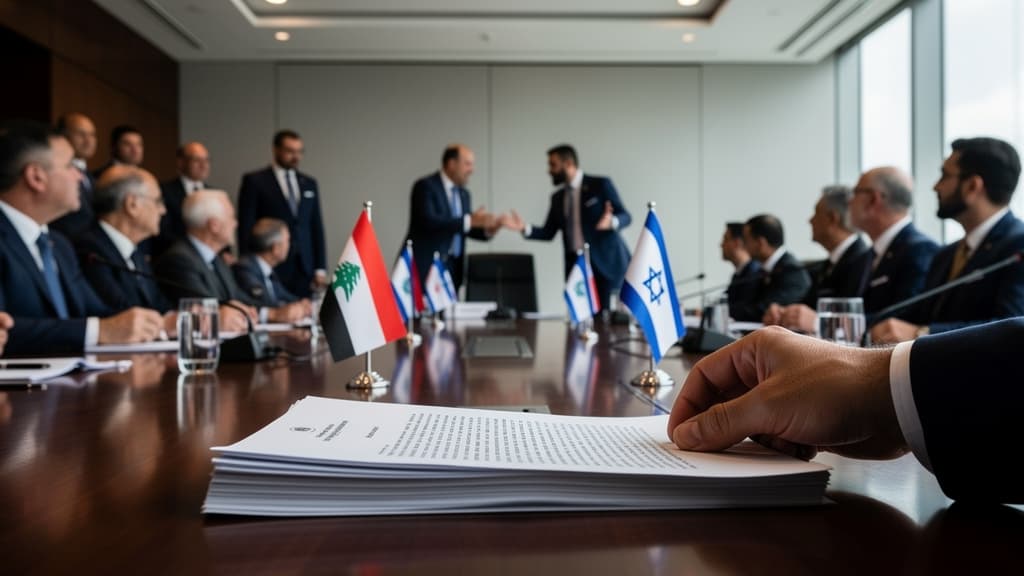
In recent developments surrounding the ongoing conflict in the Middle East, Israel has agreed to hold talks with Lebanon. These discussions are taking place while Israel continues its military operations targeting Hezbollah within Lebanese borders [2][6]. This situation arises amid a broader cease-fire between the United States and Iran, which has not been inclusive of Lebanon, a point of contention underscored by ongoing international discussions [4][5].
International Reactions
There has been significant international response regarding the exclusion of Lebanon from the cease-fire agreement between the U.S. and Iran. European leaders, including those from Britain and France, have voiced concerns, warning that continued military aggression in Lebanon threatens the fragile regional peace achieved by the truce [3]. U.S. political figures, notably within the Democratic Party, have also urged the Trump administration to expand the cease-fire to cover Lebanon [1].
Casualties and Military Actions
The continued military actions by Israel have resulted in considerable casualties. According to Lebanese authorities, at least 182 people have been killed and approximately 890 injured due to the Israeli strikes on Beirut and other locations across Lebanon [5][7]. In response to these actions, Iran has warned of a potential escalation in hostilities, putting additional pressure on the existing cease-fire framework [7].
Diplomatic Efforts and Challenges
Despite the ongoing military actions, diplomatic efforts are being pursued. Israeli Prime Minister Benjamin Netanyahu has agreed to enter talks with Lebanese officials, partly influenced by U.S. diplomatic pressure. This decision comes shortly after Netanyahu recommitted to military objectives against Hezbollah, which he describes as a direct threat to Israeli security [6]. Vice President J.D. Vance of the United States stated that Lebanon was not included in the original cease-fire terms and sought to separate Israeli actions in Lebanon from the U.S.-Iran agreement [4].
Outlook
The situation remains complex, with potential implications for regional stability. The convergence of diplomatic engagements and military actions has created a tenuous situation that could influence international relations and security dynamics in the Middle East. The ongoing dialogue and military operations are set against a backdrop of international calls for comprehensive peace solutions [1][3][6].