Trump's Criticism of Iran's Strait of Hormuz Operations
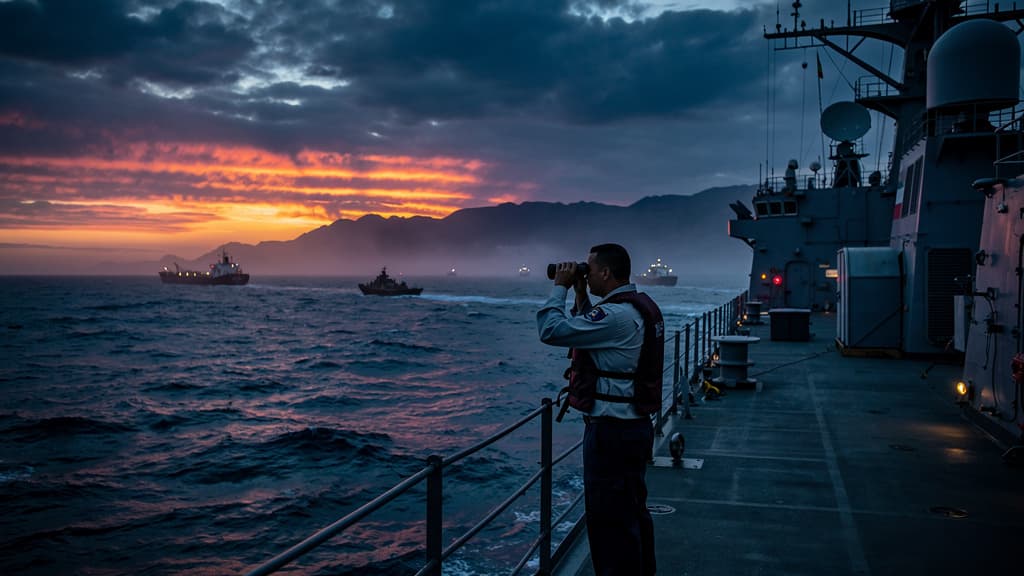
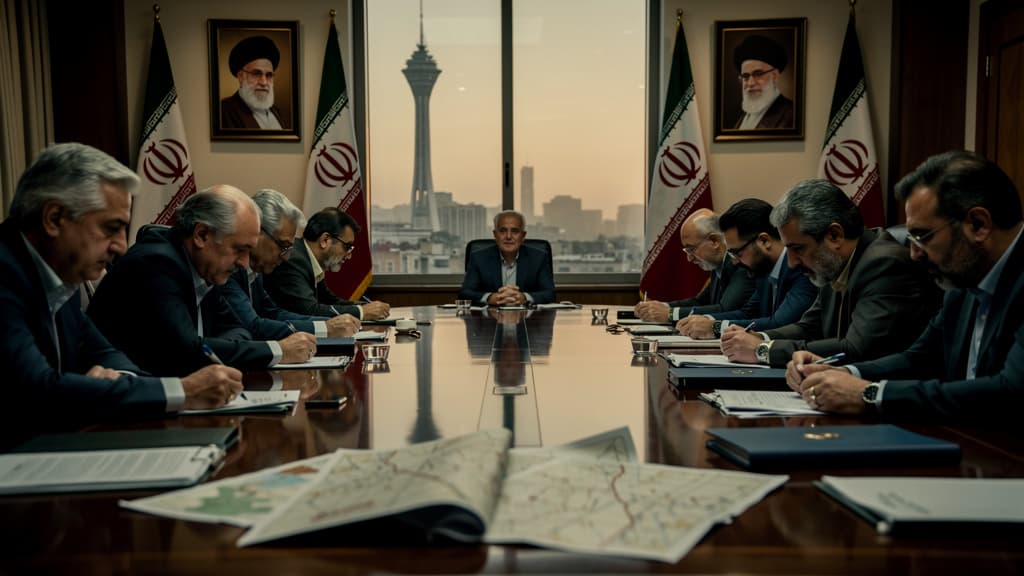
President Donald Trump articulated concerns regarding Iran's management of the Strait of Hormuz on Friday. The strait, a crucial chokepoint for global oil transportation, remains a focal point for international tensions. Trump stated that Iran is "doing a very poor job" in its efforts to maintain open access to the strait and highlighted dissatisfaction with the country's purported attempts to levy fees on oil tankers navigating the waterway.
Ceasefire Tensions Escalate
The situation occurs within a backdrop of a faltering ceasefire in the region. On the same day as Trump's remarks, military activities continued as Israel and Hezbollah engaged in exchanges of strikes in Lebanon. Additionally, Kuwait faced attacks carried out via drones, contributing to the instability in the Middle East[1][2].
Economic Implications and Toll Controversy
In economic news related to the strait, allegations have surfaced regarding Iran's intention to impose tolls on oil-carrying vessels. This possibility has drawn criticism from the U.S. President, who warned against such financial demands. Interestingly, this criticism follows Trump's own proposal for a "joint venture" aimed at establishing similar tolls, sparking debate over the consistency and implications of such policies[2].
Strategic Importance of the Strait
The Strait of Hormuz is a key maritime transit route linking the Persian Gulf with major global markets. It is notably significant for oil trade, with a substantial percentage of the world's petroleum flowing through its waters. Thus, any disruption or change in policy surrounding the strait can have wide-reaching implications for international trade and economic stability.
Both the economic repercussions and the ongoing regional unrest highlight the complexity of the geopolitical landscape surrounding the Strait of Hormuz. Stakeholders worldwide are closely monitoring the developments as they unfold.