Recent Developments in the Middle East
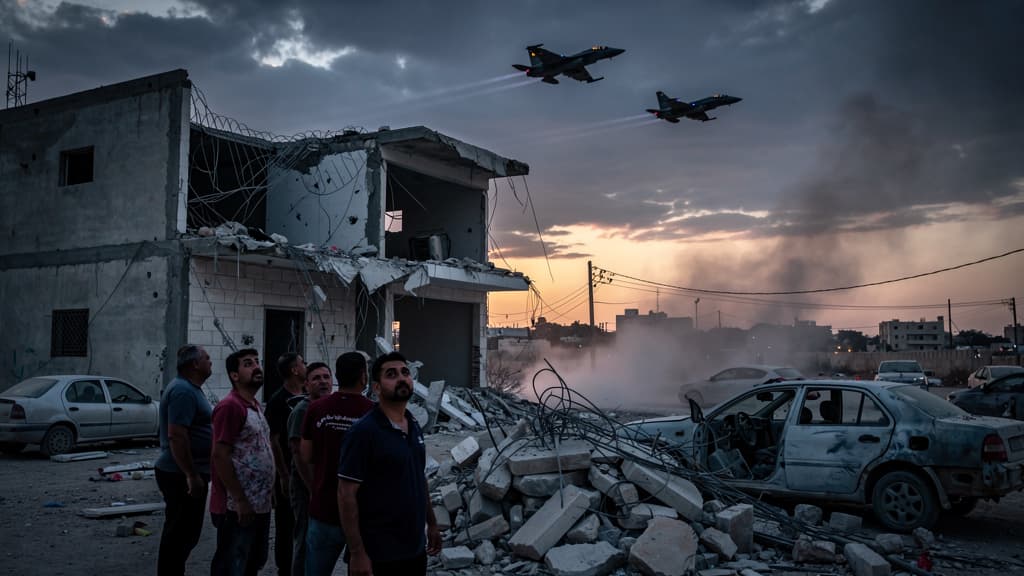
On April 8, 2026, Israeli military forces conducted airstrikes in Lebanon, reportedly resulting in at least 250 fatalities. These actions have been described by Lebanon's Ministry of Health as significant and have triggered regional concern. The strikes have renewed tensions over the existing U.S.-Iran ceasefire, which has been in place to curb escalating regional conflicts[1][2].
Ceasefire Details and Reactions
The ceasefire, announced by U.S. President Donald Trump, involves a conditional agreement with Iran and is aimed at reducing hostilities in the Middle East. However, the recent Israeli military activities, specifically targeting areas associated with Hezbollah, have not explicitly violated the terms of the ceasefire according to Israeli authorities. The Israeli government argues that its actions are defensive and intended to limit perceived threats from Hezbollah[3].
In response, Iran has seen the strikes as a potential breach of the ceasefire agreement, raising diplomatic concerns between involved countries[1].
Implications for Energy and Regional Stability
The fragile nature of the ceasefire has broader implications for the Middle East, particularly concerning energy infrastructure recovery. Analysts caution that despite attempts at stabilizing relations, infrastructure damage in the region could require months to repair, impacting energy prices globally. The ongoing tensions could exacerbate these challenges, suggesting that regional stability remains uncertain[5].
Ongoing Diplomacy and Future Prospects
President Trump's administration continues to advocate for the ceasefire's stability while addressing the broader geopolitical dynamics. The situation remains volatile, with multiple international actors involved, and the outcomes of these diplomatic efforts are closely monitored[4].
The recent events highlight the challenges faced in maintaining peace agreements amid complex regional alliances and conflicts.