U.S. and Iran Negotiations Progress
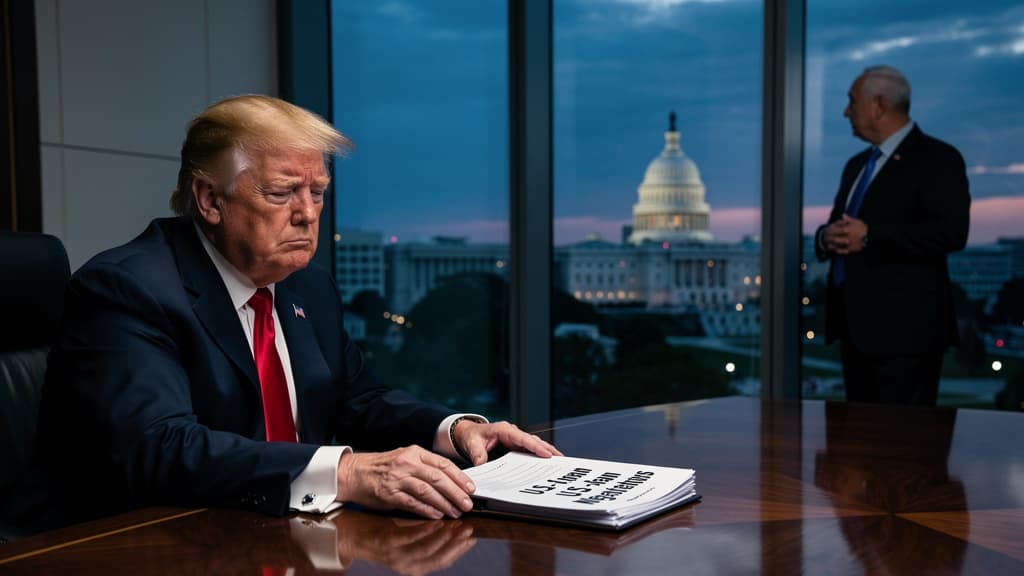
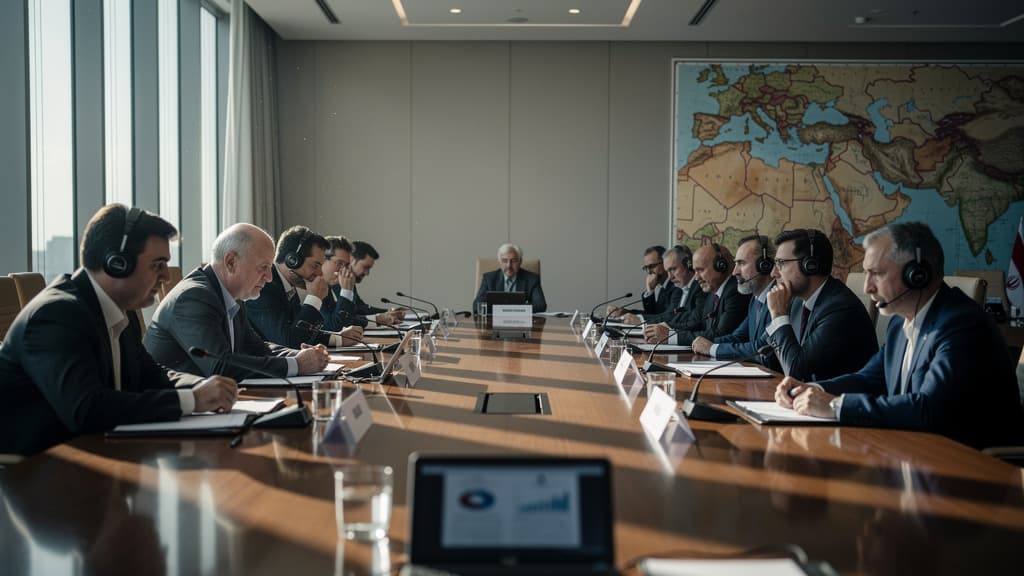
The ongoing negotiations between the United States and Iran aim to solidify a temporary two-week ceasefire currently in place, though formal talks exclude direct Israeli involvement at this stage [1]. The discussions, orchestrated by President Donald Trump's administration, focus on de-escalating tensions that have flared over the past several months.
Legislative Effort to Limit Trump's War Powers
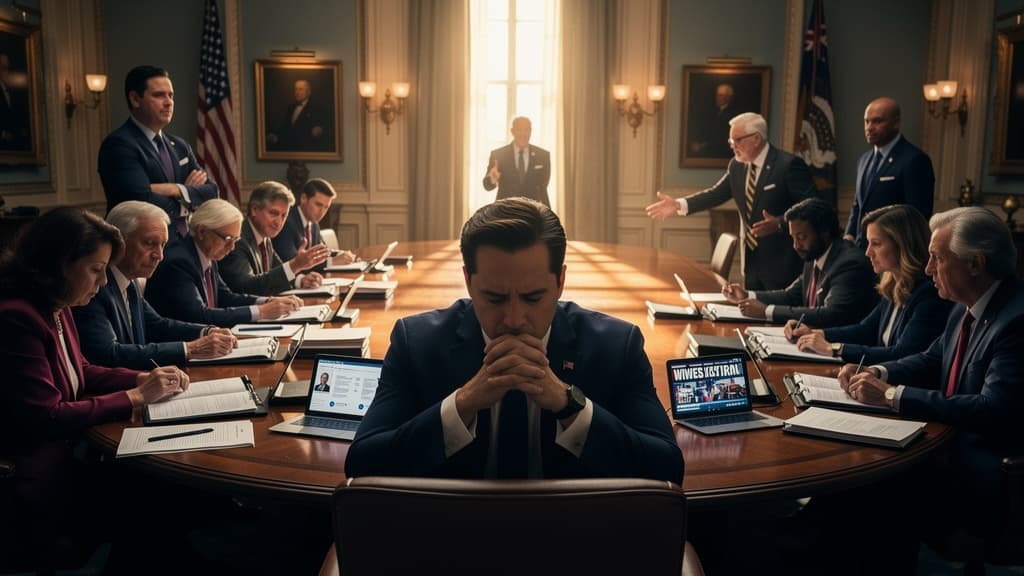
In the U.S., a resolution aimed at curtailing President Trump's war powers concerning Iran is expected to face challenges. Scheduled for a vote, the resolution seeks unanimous consent to pass quickly through the House of Representatives [2]. However, Republican lawmakers are anticipated to block the measure, reflecting a broader debate within Congress over the administration's approach to Iranian policy.
Israeli Prime Minister Netanyahu's Concerns
Israeli Prime Minister Benjamin Netanyahu is monitoring the situation closely. Reports suggest that Netanyahu, who is also facing a corruption trial set to resume shortly [6], may have concerns about the trajectory of U.S.-Iran talks [1]. In previous situations, Netanyahu reportedly influenced Trump's stance on military actions against Iran, as seen during past escalations [5].
Domestic Implications and Reactions
The negotiations have also sparked mixed reactions within the U.S. political landscape. Critics from various quarters, including public figures like Laura Loomer, have voiced disapproval of Trump's approach, describing the Iran deal as potentially detrimental to national interests [3]. Despite extreme rhetoric and differing opinions, White House officials encourage focusing on policy outcomes rather than divisive language [4].
The evolving dynamics between the U.S., Israel, and Iran continue to attract significant attention, with potential implications not only for Middle Eastern geopolitics but also for internal political debates in both the U.S. and Israel.