UN Security Council Vote
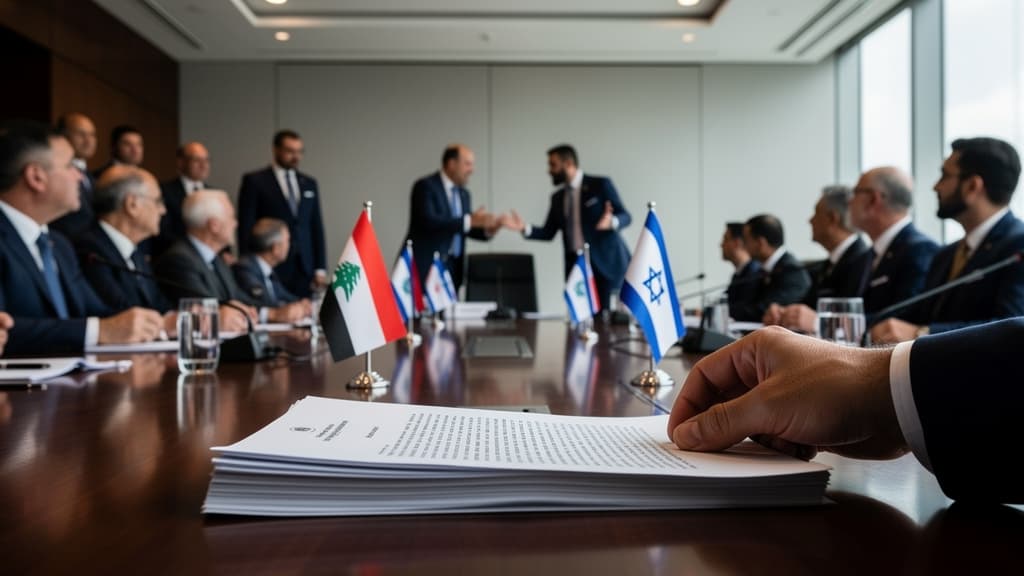
On April 7, 2026, the United Nations Security Council held a vote on a proposal to open the Strait of Hormuz, which has been closed due to geopolitical tensions involving Iran. The resolution was supported by 11 out of the 15 members of the council but was vetoed by permanent members Russia and China [2][3]. The proposal had already undergone modifications to make it more acceptable to all members, but it failed to gain the required unanimous consent [2].
Background of the Strait of Hormuz Closure
The Strait of Hormuz is a critical maritime passage linking major oil producers in the Middle East with global markets. Its closure has significantly impacted international oil logistics. This action comes in the context of ongoing hostilities between the United States and Iran, which have persisted for 39 days. President Donald Trump had set a deadline for diplomatic resolutions to reopen the strait by April 7 [3][7].
Reactions from Global Stakeholders
In response to the blockade, several countries have engaged in bilateral negotiations with Iran to secure passage for their vessels, effectively bypassing typical maritime regulations [5]. Pakistan, among others, has called for extended diplomatic engagement and for the continued blockade to end [1].
Iran's Position and Economic Strategies
Iran has introduced a proposal to impose fees on ships traversing the strait. The fees would be calculated based on several factors, like the type of vessel and its cargo [4]. This proposal is part of Iran’s broader strategy to exert control over the strait and derive economic benefits while negotiations continue.
Implications of the Veto
The veto by Russia and China underscores strategic alliances and diverging interests within the Security Council, as both countries have historically maintained favorable relations with Iran. China relies heavily on oil imported through the strait and has pursued energy security policies in alignment with its economic interests [6]. Meanwhile, the continued closure has the potential to disrupt global oil supplies further and escalate economic risks associated with oil price volatility.
The next steps remain uncertain as UN diplomats work towards finding a diplomatic solution acceptable to all parties involved. Observers highlight the need for multilateral dialogue to resolve the complex geopolitical and economic challenges facing one of the world's most significant maritime routes.