Lack of Transparency in Justices' Recusals
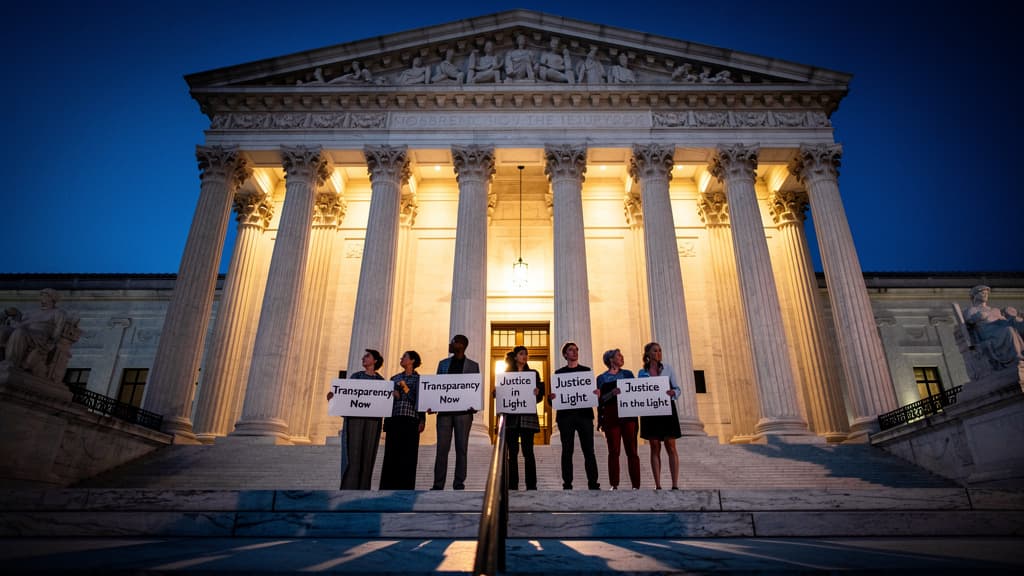
The U.S. Supreme Court faces criticism over the absence of explanations when justices recuse themselves from cases. The practice of not disclosing reasons for recusal contributes to an increased perception of secrecy within the Court's operations. While the Court does routinely note when a justice has stepped aside, it does not provide further commentary on why such decisions are made. Critics argue that this lack of transparency prevents the public from understanding the potential conflicts of interest or biases that may be influencing judicial behavior.
Historical Context and Implications
Historically, the reasons for recusal by Supreme Court justices have not been disclosed, leaving observers to speculate on the motives behind these decisions. This omission aligns with the broader discretion given to justices regarding recusals under the federal statute that governs judicial conduct. Despite this statutory provision, some judicial transparency advocates argue that providing explanations would enhance public trust in the judiciary's impartiality and accountability. The lack of disclosure has also drawn parallels to the Court's use of unexplained emergency orders, another area where the Court has been critiqued for opacity.
Broader Transparency Issues
This debate over the transparency of the Supreme Court's activities is part of a larger discourse on judicial openness. The Court, in recent years, has faced increasing scrutiny over its non-public deliberations and the growing use of the so-called "shadow docket," which permits decisions without full briefing or oral argument. Proponents of greater transparency suggest that increased openness could promote understanding and trust in judicial processes among the public and stakeholders.
In conclusion, the Supreme Court's continued non-disclosure on recusal reasons reflects a long-standing practice that raises questions about judicial transparency. The discussions surrounding this lack of openness underscore calls for reforms to enhance transparency and accountability in the United States' highest court.